

3 Ways To Build Trust In Teams
Trust is like the foundation of a house – without it, everything else falls apart.
As a manager, it’s important to build trust if you want to create a positive work environment, where your employees can speak up and feel supported and engaged. When team members are afraid to show vulnerability or ask for help, the team dynamic suffers. Common issues from a lack of trust include hiding mistakes, a reluctance to ask for help, and a lack of transparency.
In this post, we will share three ways to foster trust with your employees to ensure you’re building a culture where your team can thrive.
Building Trust In Teams
Frances Frei, a Professor at Harvard Business School, has identified three drivers for trust in teams.
Frances’ research shows that people trust you when you regularly show empathy, logic and authenticity. A breakdown in trust can almost always be traced back to a failure in one of these three drivers.
To understand whether you’re exhibiting these three areas, you can ask yourself the following questions:
- Do I sense that the people around me feel that I care about their wellbeing?
- When I make decisions, am I doing what I can to help others see the logic behind them?
- Are the people around me seeing an authentic version of myself?
Let’s take a look at some simple methods that you can use to build trust with your team, that will mean you can always answer yes to these questions.
1. Empathy
Many great managers struggle with empathy.
If people feel you care more about yourself than them, they won’t trust you to lead them. To be a good leader, you need to be caring and considerate. It’s important that you understand and support the people on your team. Try to get to know your team members as people, not just employees. Show them you are interested in their wellbeing and care about their career development.
As their manager, it’s important that you focus on your team’s feelings, mood, and stress levels, and not just on their work performance or productivity. Simple strategies include scheduling regular one-to-one meetings with team members, communicating more frequently, asking open-ended questions that encourage a response, and showing interest in their wellbeing whenever possible.
As the great Dale Carnegie once said, “When dealing with people, remember you are not dealing with creatures of logic, but creatures of emotion.”

Another tactic to be more empathetic is to pay close attention to how you act when you’re in a group setting, especially when others are talking. Instead of focusing on your own needs, work to ensure everyone else gets what they need from the discussion. Help to move the conversation forward, even when it’s not your meeting.
2. Logic
To increase people’s faith in your judgement and logic, you should focus on gathering evidence in advance, being transparent, and discussing your thinking with individual team members before making key decisions.
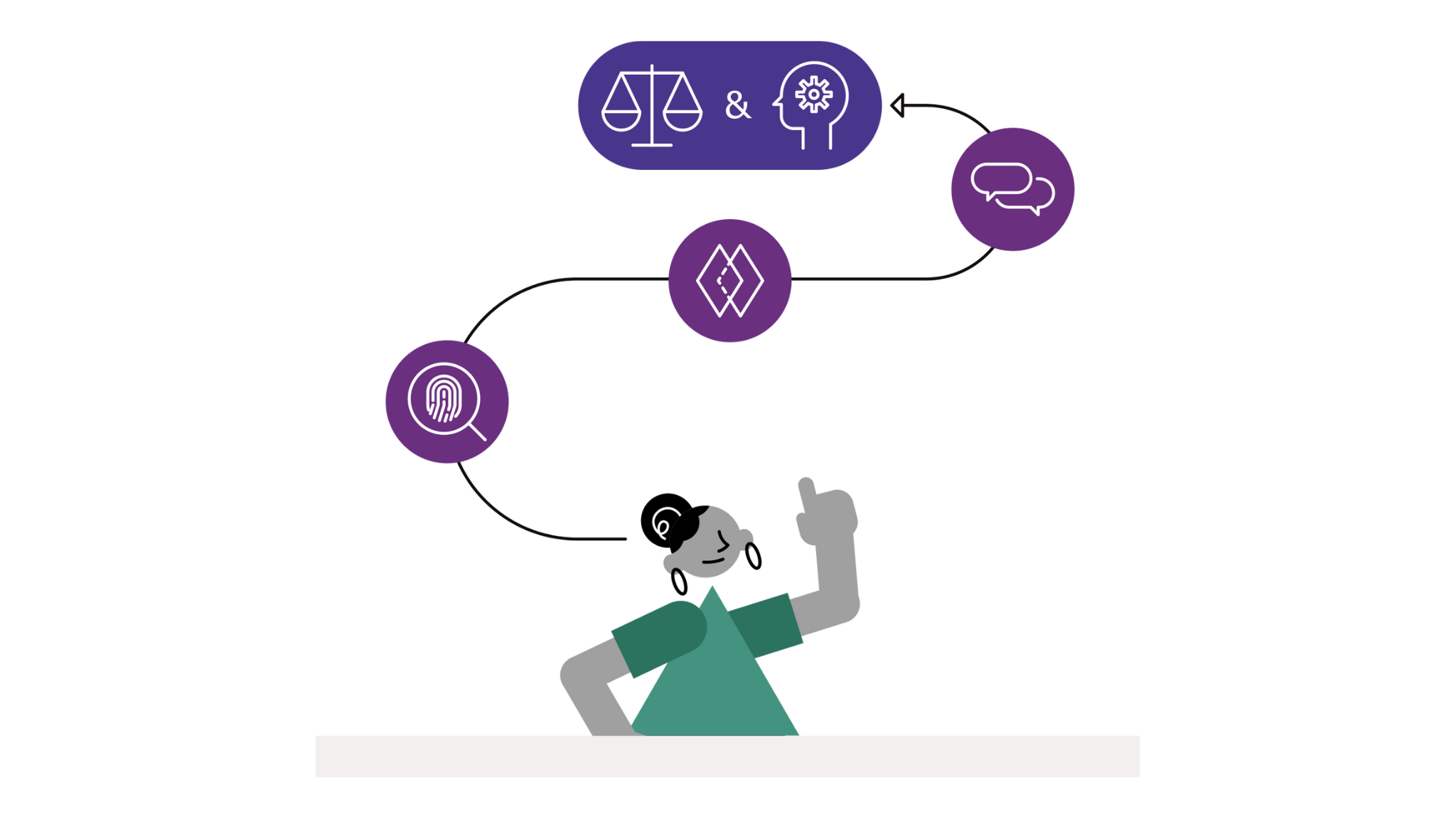
Open, respectful communication is key to a well-connected team. When teams don’t openly discuss and debate ideas, they don’t fully commit to decisions.
Disagreements are natural and often necessary on a team. It’s important that you encourage your team to voice their opinions and bring their own perspective to a discussion. When there’s trust, these discussions can lead to better solutions and ideas. Without healthy conflict, teams can’t fully commit to decisions, and as long as everyone’s input is heard and considered, most people will accept a decision, even if they don’t fully agree with it.
When making decisions, make sure you’ve gathered enough input from your team and other key stakeholders. Additionally, your decisions should be backed by data or other solid evidence. The process of seeking out evidence and data can often provide valuable insights that will help your decision-making in the long run.
When you consistently make decisions based on input and data that lead to positive results, you will become more credible and trustworthy as a manager
3. Authenticity
Being an authentic manager means being genuine and true to yourself. When people sense you’re concealing the truth or being less than authentic, they won’t feel comfortable opening up to you or trusting you.
However, this does not mean you have to bring your “whole self” to work. The real version of you that your closest friends and family know is someone only a handful of people in the world have learned to love, or possibly even tolerate. This is not the kind of authenticity managers should exhibit. Being an authentic leader does not mean you have to overload others with intimate details of your problems.
Instead, you can display authenticity by sincerely sharing personal stories, experiences, and challenges with your team.

Authentic managers are willing to discuss their mistakes, failures, and lessons learned. They do this not to seek pity or sympathy, but to promote learning and growth. They lead by example and create environments where others feel at ease being themselves and encourage open and honest communication. They ensure everyone feels comfortable expressing their thoughts, opinions, and worries without fearing judgement or negative consequences.
By focusing on these three areas – empathy, logic and authenticity – within your team, you will build a strong foundation of trust that will improve work relationships and increase your team’s performance.

How To Win Arguments At Work
Have you ever tried convincing someone to try your new idea, only to hit a brick wall?…

5 ChatGPT Tips For Managers (Supercharge Your Management Skills)
You’re sitting at your desk on a Monday morning. You’ve got a team meeting in 10 minutes,…

How To Be Great At Small Talk
Picture the scene. You arrive at a party or a work event, you look around the room,…
