

4 Skills To Master The Art Of Negotiation
As a manager, you will regularly find yourself in negotiation situations.
Whether it’s an employee asking you for a promotion, or you’re trying to secure budget for your next big project, chances are you’re already negotiating more often than you think.
In this post, we’ll share four effective negotiation skills to ensure you’ll always come out on top in any negotiation.

1. Practice Empathy
Using empathy and emotional intelligence can help you to stay in control during a negotiation, while also building trust and making the other person feel understood.
The key to using empathy successfully is to be genuinely interested in what the other person wants and why they want it.
By understanding their goals, motivations, and concerns, you’ll be able to negotiate more effectively. When you demonstrate empathy, you’ll often find yourself saying things like “It seems like, it sounds like, or it looks like.” Using these types of phrases can help to reduce any negative emotions and make the other person feel like they’re in control of the conversation.
By understanding how someone else is feeling and what’s motivating them, you can focus on addressing their concerns and move towards a decision that’s better for everyone.

2. Focus On The Problem Not The Person
Negotiation is about finding a solution that works for both sides, without it getting personal.
Even though it might seem counterintuitive, we often see the other person in a negotiation as the enemy, and the negotiation itself as the battle. This way of thinking rarely helps and usually ends with one or both parties feeling upset and unsatisfied.
A more helpful approach is to separate the person from the problem. In other words, focus on the issue that needs solving, not the people involved. This helps negotiators to avoid taking things personally and to keep things professional, even when the negotiation gets tough.

If you can show the other person that you’re negotiating fairly and honestly, and focusing on solving a shared problem, you’re much more likely to reach a successful resolution.
3. Use Mirroring And Labelling
Mirroring and labelling are two fantastic tools that can help you build trust and understanding with the person you’re negotiating with. They show that you’re really listening and taking on board what the other person is saying.
Top negotiators understand the importance of active listening to better understand what really matters to people, and what doesn’t.
So, what is mirroring exactly? It’s basically repeating back a few key words that the other person has used. This shows that you’re really paying attention and taking their views seriously. We all like to feel that we’re being listened to, and when you use mirroring, the other person will feel heard and is more likely to go on to reveal more about what they’re thinking and feeling.
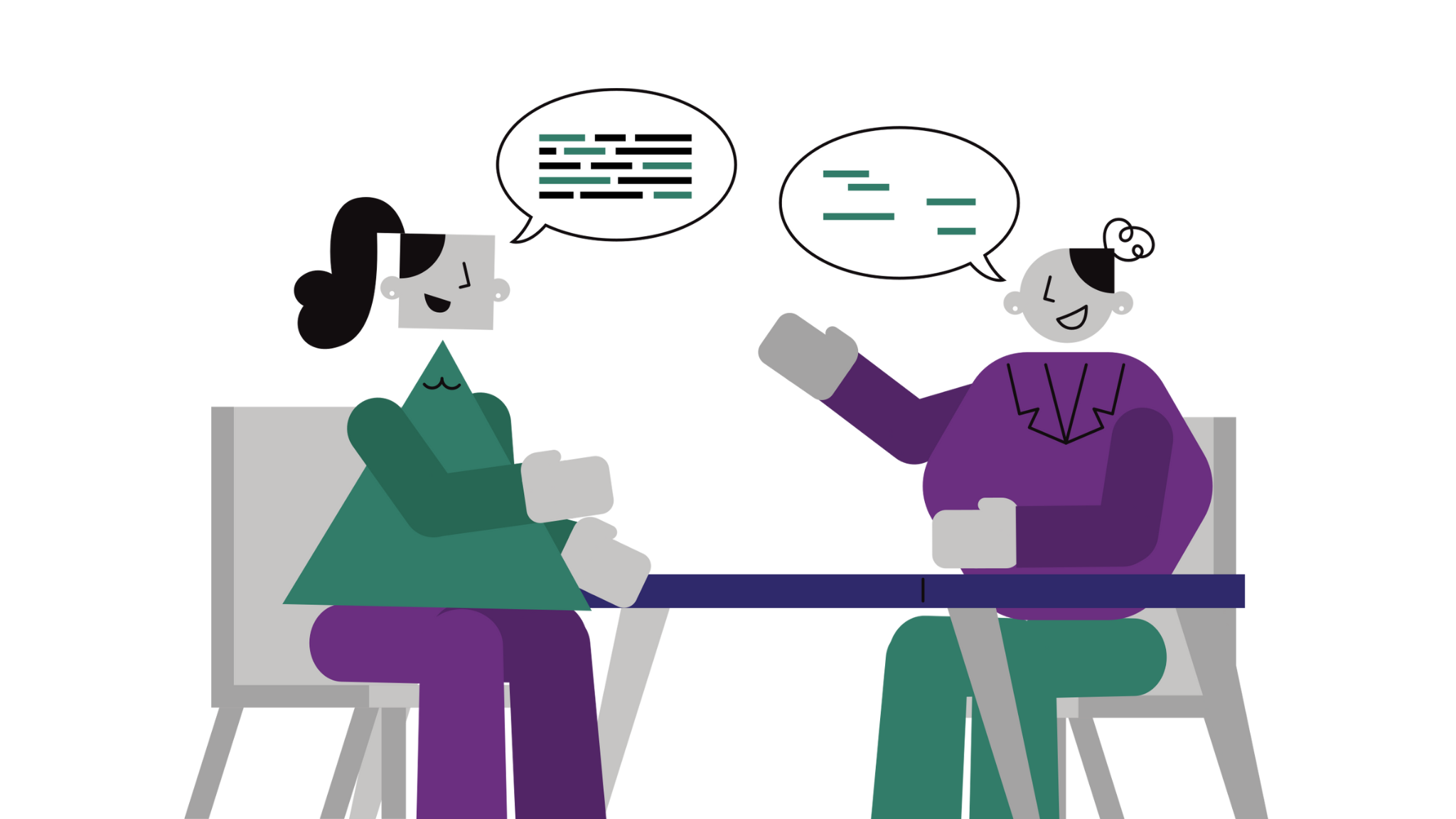
Labelling, on the other hand, involves naming the emotions and feelings of the other person, to show that you recognise and value them.
When you’re labelling, it’s a good idea to avoid phrases that start with ‘I’, as this can make it seem like you’re only thinking about yourself. Instead, use phrases like:
- “You seem to think I’m not being fair…”
- “You don’t seem to agree with these terms…”
- “You seem to understand what’s at risk here…”
By using both mirroring and labelling, you can demonstrate that you understand the other person’s position and how they’re feeling, which will mean they are more likely to share valuable information with you.
4. Find A Win-Win
The best negotiators try to create a win-win solution for everyone.
One way to prepare for this is to think about your ‘Zone of Possible Agreement’, or ZOPA. This is where you and the other people involved are able to find common ground. When your terms overlap, you’ve got a positive ZOPA, which means you’re more likely to be able to achieve a win-win.
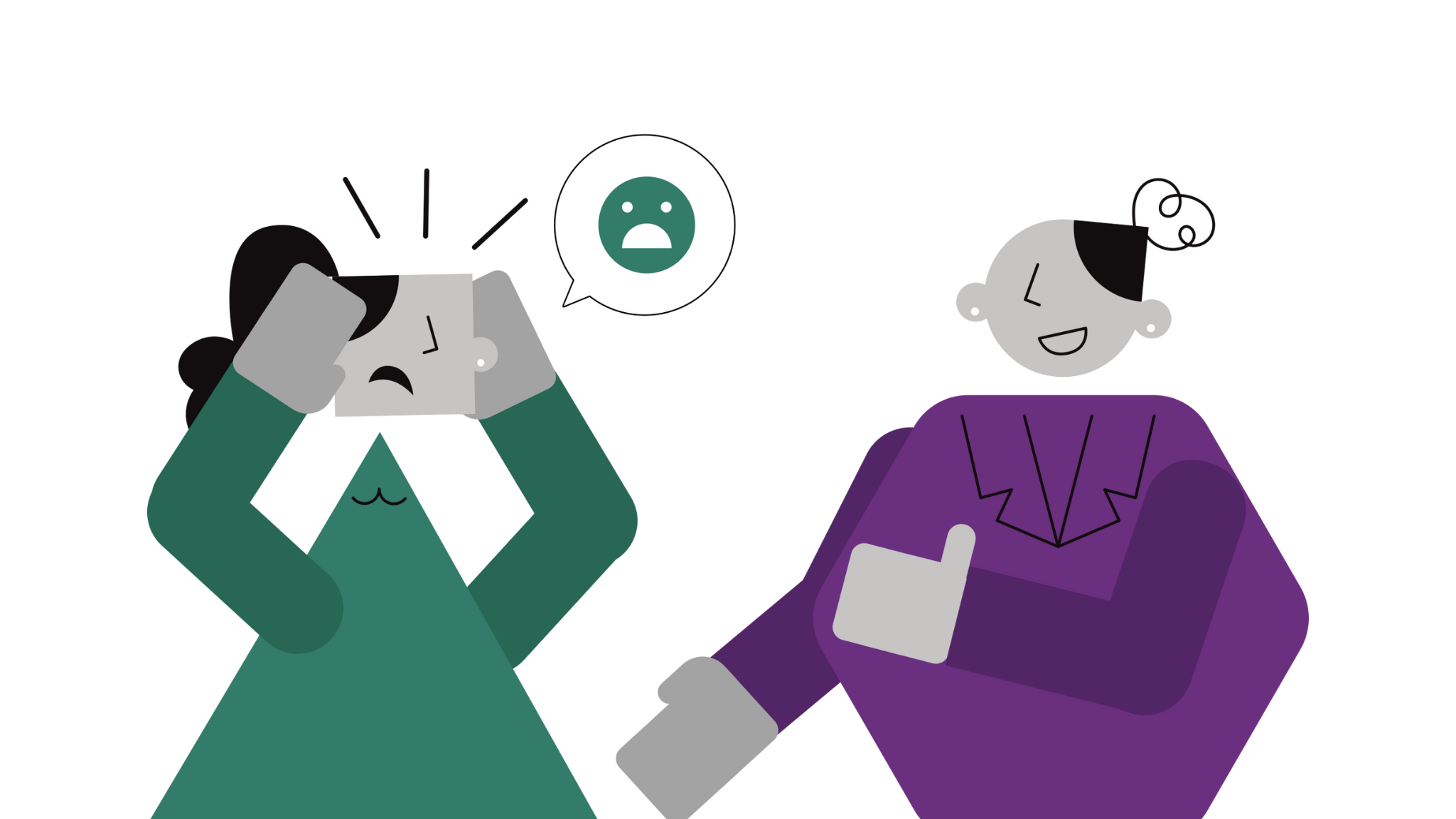
In addition, it’s important to understand that people are more driven by the fear of loss than the prospect of gaining something. Simply put, our brains don’t like losing. So, to negotiate well, you need to ease these worries and help people feel like they’re winning.
Being a good negotiator also means ‘creating value’. To understand this, think about a negotiation as a pie. If you try to get a bigger slice, someone else gets less. Instead, try to make the whole pie bigger, so everyone gets more.
A common mistake that people make when negotiating is focusing too much on reaching a compromise, which can end up leading to a lose-lose situation, instead of a win-win.
If you want to become a great negotiator, you should try to practice all of these skills as often as you can, in both your professional and your personal life. The more you practice negotiating, the better you’ll become.
How To Win Arguments At Work
Have you ever tried convincing someone to try your new idea, only to hit a brick wall?…

5 ChatGPT Tips For Managers (Supercharge Your Management Skills)
You’re sitting at your desk on a Monday morning. You’ve got a team meeting in 10 minutes,…

How To Be Great At Small Talk
Picture the scene. You arrive at a party or a work event, you look around the room,…
