

9 Leadership Mistakes We All Make, And How To Avoid Them
Even the most experienced managers make mistakes, but don’t worry, we can help you to sidestep the traps that 99% of leaders fall into.
In this video, we’re going to share nine of the most common mistakes that managers make, and our golden rules on how to avoid them, so you can quickly become a manager that everyone will want to work for.
Mistake 1: Micromanagement
Micromanagement is the fastest way to erode trust and stifle creativity within your team.
Constantly hovering over your employees’ shoulders and nitpicking every detail not only damages morale but also hinders productivity. Instead, focus on setting clear expectations and deadlines, then step back and allow your team members to tackle tasks in their own way. This approach fosters a sense of ownership and accountability.
Remember, your role is to guide and support, not to control every tiny detail.
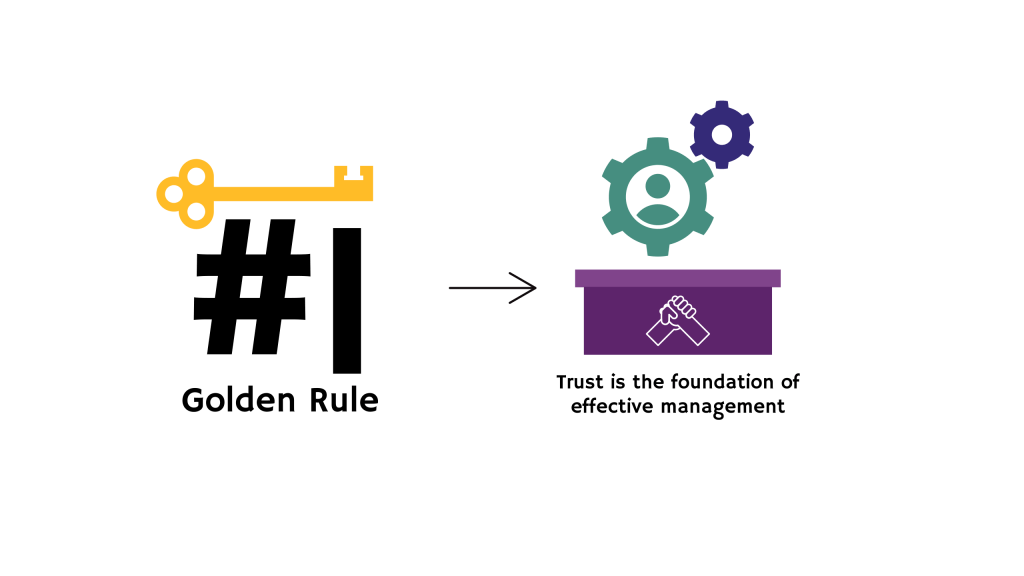
Our first golden rule: Trust is the foundation of effective management
Mistake 2: Poor Communication
Clear, consistent communication is the lifeline of successful leadership.
Many leaders fall into the trap of assuming they’ve communicated effectively, without checking their message has ben heard. To avoid this, practice active listening and encourage open dialogue across your team. Communicate the same message several times via multiple channels to convey important information, and always provide context for your decisions.
Our second golden rule: Effective communication bridges the gap between what you say and what people understand.

Mistake 3: Failing to Provide Feedback
Regular, constructive feedback is essential for employee and team growth.
Many managers make the mistake of either avoiding difficult conversations altogether or saving all their feedback for annual reviews. This approach leaves employees in the dark about their performance and stunts their professional development. Instead, implement a system of regular one-on-one meetings where you provide both positive reinforcement and constructive criticism.
Our third golden rule: Always make sure that you are specific and timely with your feedback.

Mistake 4: Neglecting Team Development
Investing in your team’s development is essential to promote the future success of your organisation.
A common pitfall for new managers is focusing solely on short-term results at the expense of long-term talent development. This shortsightedness can lead to skill stagnation and higher turnover rates. To combat this, create individual growth plans for team members, encourage cross-functional learning, and have regular career development conversations.
Our fourth golden rule: Prioritising employee development cultivates a culture of continuous learning.

Mistake 5: Avoiding Conflict
Addressing conflicts head-on is crucial if you want to maintain a healthy team dynamic.
Many leaders mistakenly believe that avoiding confrontation preserves harmony, when in reality, it allows issues to fester and grow. Instead, develop the skills to address conflicts promptly and directly. Encourage healthy debate and create a safe environment in your team for open discussions.
Our fifth golden rule: Healthy conflict builds stronger and more resilient teams.

Mistake 6: Failing to Lead by Example
Your actions as a leader speak louder than your words.
One of the quickest ways to lose credibility is by not practicing what you preach. Consistently demonstrate the behaviours and work ethic you expect from your team. Be transparent about your own mistakes and share your learning experiences.
Our sixth golden rule: Authentic leadership builds trust and inspires others to follow suit.

Mistake 7: Resisting Change
Embracing change is essential for both your own growth and the growth of your team.
Many leaders fall into the trap of clinging to outdated processes or technologies out of comfort or fear. This resistance can stifle innovation and leave your team or organisation behind. Stay informed about industry trends, encourage creative thinking from all levels, and be open to new ideas. Become an expert at change management strategies to help drive change effectively.
Our seventh golden rule: Embracing continuous change positions your team for future success and growth.

Mistake 8: Lacking Empathy
Displaying empathy is key to becoming an effective manager.
Many new managers focus solely on technical skills and overlook the importance of empathy and emotional awareness. This can lead to misunderstandings, conflicts, and a lack of team cohesion. Practice self-awareness, develop empathy for your team members’ perspectives, and adapt your communication style to different individuals.
Our eighth golden rule: Emotional intelligence transforms good managers into great leaders.

Mistake 9: Failing to Celebrate Successes
Recognising and celebrating achievements, both big and small, is critical for maintaining team morale and motivation.
A common oversight is focusing solely on areas for improvement while neglecting to acknowledge successes. This can lead to demotivation and a sense that hard work goes unnoticed. Regularly celebrate individual and team achievements, create a system for peer recognition, and tie celebrations to company values and goals.
Our ninth golden rule: Celebrating success reinforces positive behaviours and increases motivation.

Now you know what management mistakes to avoid, check out these other videos to learn the secrets of great management.

How To Win Arguments At Work
Have you ever tried convincing someone to try your new idea, only to hit a brick wall?…

5 ChatGPT Tips For Managers (Supercharge Your Management Skills)
You’re sitting at your desk on a Monday morning. You’ve got a team meeting in 10 minutes,…

How To Be Great At Small Talk
Picture the scene. You arrive at a party or a work event, you look around the room,…
