
How To Create A Culture Of Psychological Safety
Psychological safety is the sense of security and trust that employees feel in the workplace, namely that their ideas and opinions will be valued, respected, and heard.
It allows for a comfortable work environment where taking risks is encouraged without fear of negative repercussions should things go wrong. When psychological safety is present, individuals are more likely to speak up, collaborate openly, and take on challenging tasks with confidence.
What are the benefits of creating a culture of psychological safety?
Creating an environment of psychological safety in teams offers a wide range of benefits to both the team and its individual members.
The feeling of safety encourages team members to take risks, challenge assumptions, and openly express their ideas without fear of ridicule or criticism. This leads to more productive conversations, greater collaboration among team members, and more innovative solutions. Additionally, when people feel safe, they are likely to be more engaged with the team and their work, leading to higher levels of job satisfaction and better performance. An atmosphere of psychological safety can help foster trust within teams as well as increase morale among team members.
All in all, creating an environment of psychological safety is essential for teams looking to maximise their potential by enabling open communication and collaboration.

Identifying problems or areas to improve in teams
Creating an environment of psychological safety is critical if you want to build a high performing team and become an effective manager.
Without it, a team can become unproductive and disengaged. To identify if they are creating the right environment for their team, managers need to consider two aspects: their own interactions with their employees, and the way that the team interacts with each other.
“Psychological Safety is a climate in which people are comfortable being (and expressing) themselves”
Dr. Amy Edmondson, Professor at Harvard Business School
To evaluate their own impact on their employees, (according to Dr. Amy Edmondson, a professor at Harvard Business School, and one of the leading voices on psychological safety), there are three steps you can take as a manager:
Step 1 – Make sure to frame the work ahead as a learning problem not an execution problem
One way of doing this is to encourage collaboration in your team rather than competition among team members. Make it clear to your team that there is enormous uncertainty ahead and this requires the team to work together. You’ll need everyone’s voices and brains in the room to ensure success.
It’s important to be clear and transparent, and to remind people why their voice will be needed. By consistently communicating in this way, managers can ensure that teams feel heard and understand what is expected from them.
Step 2 – Acknowledge your own fallibility
Be clear with your team that you don’t have all the answers and you will need their input. Be proactive, invite contributions and use phrases like “I might miss something” or “I need to hear from you” to get the point across. It also really matters how you respond when people do come forward with ideas or bad news. Always make sure that you respond in an appreciative manner and don’t dismiss their feedback.
Step 3 – Model curiosity and ask a lot of questions
It’s essential that you model active listening and are curious with your team. Ask them “what’s on your mind?” or “what questions do you have?”
Strive to make it more difficult for people to be silent than to speak up.
Evaluating progress and maintaining psychological safety long-term
While focusing on your own behaviour as a manager is a critical first step in building an environment of psychological safety, it is also important for you to pay attention to how your team members interact with each other to ensure that they can work together effectively.
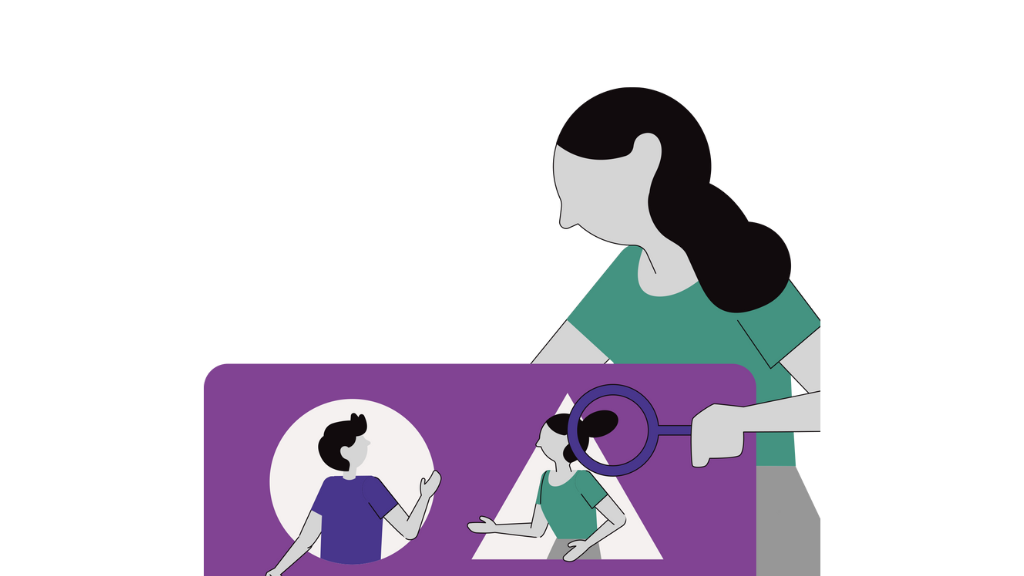
Consider the following approaches when evaluating how your team interacts with each other:
- Try and observe the team’s interactions and behaviours, (although this isn’t always easy to do, especially in a remote working environment). Key indicators that there is unhealthy behaviour that needs to be addressed are if members appear to be disconnected, lack cooperation or respect for one another, or certain individuals are dominating conversations or decision-making processes.
- Survey team members about their experiences working with the group and their experience of you as their manager. By gathering honest feedback from each individual on their perception of the relationships between themselves and other members of the team, you can gain a better understanding of any unhealthy dynamics at play and act accordingly.
Managers should constantly be on the lookout for signs of stress or discord in their teams, such as increased absenteeism, decreased performance, and changes in communication dynamics. If these signs are detected, managers should take proactive steps to address them.
This can include having honest conversations with team members to identify any issues they may be facing and finding ways to resolve them. In addition, they should strive to create an environment that encourages open and honest feedback from both employees and managers alike.
By creating a culture of openness, respect and trust, managers can help ensure that teams feel comfortable providing constructive feedback which will only benefit the organisation in the long run. This is just one of the 10 habits that effective managers need to build over time, if they want to create a high performing and engaged team.
Psychological safety is critical for team success because it allows team members to feel safe to take risks, experiment, and voice their opinions without fear of repercussions. Without psychological safety, teams will not be able to identify problems early on, which will lead to more significant issues over the long-term.
Creating an environment of psychological safety takes effort but it is worth it in order to have a high-performing team. Do you have psychological safety in your team? If not, what steps will you take to create it?

How To Win Arguments At Work
Have you ever tried convincing someone to try your new idea, only to hit a brick wall?…

5 ChatGPT Tips For Managers (Supercharge Your Management Skills)
You’re sitting at your desk on a Monday morning. You’ve got a team meeting in 10 minutes,…

How To Be Great At Small Talk
Picture the scene. You arrive at a party or a work event, you look around the room,…
