

How To Delegate Effectively
Most managers who fail in their roles make the same mistake: they don’t delegate effectively.
Delegation is a critical skill for you to master as a manager. However, it’s also one of the areas that people find the hardest. It can be tough to strike the right balance of providing enough support and encouragement to your team, without becoming a micromanager.
In this article, we’ll walk through four ways to delegate effectively so you can make the most of your team’s capabilities, and focus more on the work that requires your attention.
1. Identify The Right Work To Delegate
As a manager, it’s important to delegate tasks to your team as much as possible. This will give both you and your team valuable development opportunities.
When identifying what work to delegate, consider the following questions:
- What are the goals or outcomes you’re trying to achieve, and what needs to happen to achieve them? Can any parts of the work be delegated?
- Are you the only person capable of doing a task, or is there someone on your team who could do it better?
- Is the task a good stretch or development opportunity for a team member, even if they’ll need coaching to complete it?
- Are you only holding onto the work because you’re worried about taking the time to teach someone else how to do it?

If the answer is yes to any of these questions, you should delegate it.
However, not everything can be delegated. Tasks where you’re uniquely better at it than anyone else, or that require your specific input, such as performance reviews or compensation decisions, will still need to be handled directly by you.
2. Assign Tasks To The Right People
Effective delegation requires more than just assigning tasks. To delegate effectively, you must understand the skills, knowledge, and career aspirations of your team members.
Take into account each of your employee’s career development goals and delegate tasks that support those goals as much as possible.
You should also consider the known strengths and expertise of your team members. Before delegating a task, evaluate whether the person has enough of the necessary skills and experience to complete it with minimal assistance. It is crucial to assess their ability to complete the task correctly, to avoid setting people up to fail, or underutilising their talents and abilities.

Delegating tasks that give your team members the right amount of complexity and development opportunities is key to effective delegation. Each person is at a different stage in their professional development and will require a different level of coaching from you, depending on the task.
3. Define A Clear Outcome And Result
When delegating work to your team members, it’s important to clearly communicate your expectations. This includes defining a clear goal, establishing when the work needs to be done, and agreeing how you will measure success. You should also explain how the task aligns with your overall vision, strategy, and team goals.
As a manager, it’s your responsibility to provide the necessary training, resources, and support for your team to complete their tasks successfully, but avoid the temptation of prescribing HOW the work should be completed.
Ensuring your employees feel supported while still maintaining the autonomy they need to thrive can be a delicate balancing act.

One way to avoid micromanaging is by holding your employees accountable for the outcome of a task. Encourage them to approach problem-solving independently by giving them the freedom to complete the task in their own way. Creating an environment where employees feel comfortable experimenting and innovating will help foster autonomy and build trust.
4. Deliver Feedback And Recognition
Establish regular check-ins with employees where they can share progress and ask for support if needed. Once you’ve agreed the frequency of milestones, it’s important to resist the urge to add extra check-ins unless your team requests it, as this can hinder their ability to work independently. Remember, delegating means letting go.
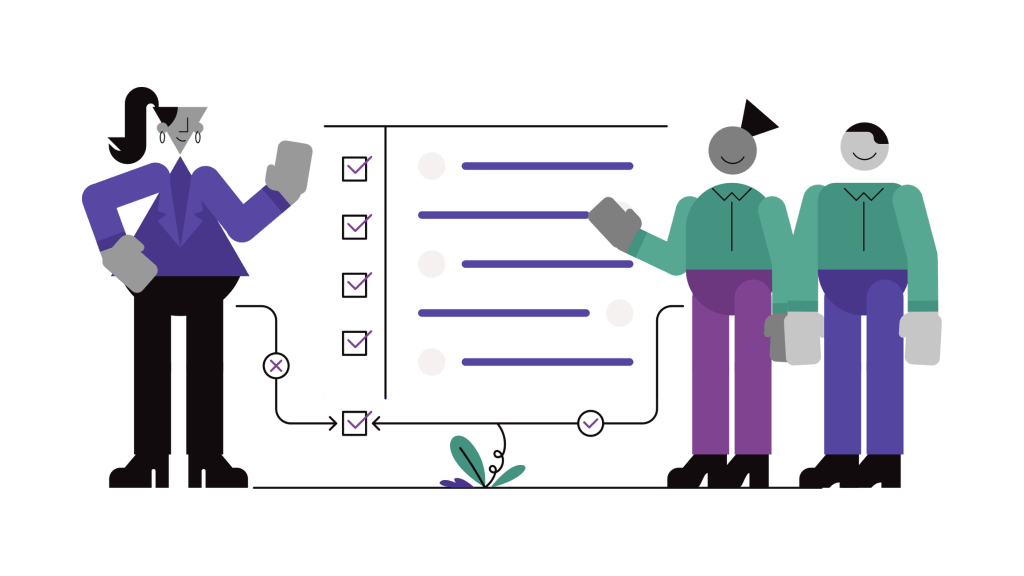
In addition to monitoring progress, delivering feedback is crucial for ensuring that tasks are completed successfully. If a task wasn’t completed as assigned, offering constructive criticism can help employees make changes and improve in the future. It’s also important to provide positive feedback and to provide recognition when work is completed well. By thanking and acknowledging those you’ve delegated work to, you’re more likely to build a positive working relationship and encourage employees to take on future projects.
Finally, trusting your team to do great work is important, but verifying that it’s been done well is equally crucial. By asking employees to explain what they would do differently and how you can better support them in the future, you can help build a culture of open communication and continuous improvement.

How To Win Arguments At Work
Have you ever tried convincing someone to try your new idea, only to hit a brick wall?…

5 ChatGPT Tips For Managers (Supercharge Your Management Skills)
You’re sitting at your desk on a Monday morning. You’ve got a team meeting in 10 minutes,…

How To Be Great At Small Talk
Picture the scene. You arrive at a party or a work event, you look around the room,…
