

How Do You Build A High Performing Team?
Why do some teams perform better than others? What sets high-performing teams apart from the rest?
Building a high-performing team involves more than just assembling a group of highly skilled individuals. As a manager, you also need to learn to develop and nurture the specific behaviours and practices that lead to excellence.

In this post, we’ll explore the five key characteristics that drive performance in teams, and teach you the secret to building your own high-performing team.
1. Trust
Building trust in teams creates a sense of psychological safety, where employees feel comfortable being themselves, sharing ideas, and taking risks. This environment is crucial for innovation and high performance.
Research, including Google’s Project Aristotle, has shown that psychological safety is the primary factor influencing team performance.
When team members trust each other and their leader, they’re more likely to communicate openly, offer honest feedback, and experiment with new ideas.

On the other hand, a leadership style based on fear can hinder creativity and problem-solving, leading to a hostile work environment, reduced collaboration and low productivity.
When you create an atmosphere where employees feel safe to share ideas and learn from their mistakes, your team will thrive and perform at their best.
2. Purpose
Imagine walking into an office where employees merely go through the motions, lacking enthusiasm and drive. This scenario is all too common in workplaces where employees feel disconnected from a sense of meaning or purpose.
The absence of meaning in your work can lead to decreased productivity, higher turnover, and low employee engagement.

However, when employees understand how their job fits into the context of the overall goals and mission of the organisation, they are more likely to be engaged and perform well.
Studies show that purpose acts as a powerful motivator in teams, inspiring employees to align their personal goals with those of their function and company, creating a sense of belonging and importance.
High-performing teams know their “why”, and work together to support a bigger purpose.
3. Autonomy
When employees have the freedom to make decisions, manage their time, and take ownership of their work, they’re more likely to innovate, problem-solve effectively, and feel invested in their roles.
The most successful managers are those who empower their team members and avoid micromanagement. These leaders trust their employees to manage their time effectively, make informed decisions, and take accountability for their actions.
In contrast, micromanagement can have detrimental effects on both employees and organisations. When managers insist on controlling every aspect of their team’s work, it creates a demoralising experience that stifles creativity and initiative.
To foster autonomy, managers should focus on delegating responsibilities and providing their team members with the freedom to make decisions.

This approach not only boosts employee morale but also allows managers to concentrate on broader strategic goals, and supporting their team in more impactful ways.
4. Role clarity
When employees are uncertain about their responsibilities, it can lead to a host of problems, including decreased productivity, increased stress, and a higher likelihood of workplace conflicts.

Role clarity is crucial for creating a smooth-running, efficient team. When employees clearly understand their roles and responsibilities, they can focus their energy on their tasks without confusion or overlap. This clarity helps to streamline processes, reduce misunderstandings, and create a more harmonious work environment.
Teams with clearly defined roles tend to work more cohesively, as each member understands the part they play in the bigger picture. This clarity can lead to improved communication, more efficient collaboration, and ultimately, better results for the organisation as a whole.
5. Goals
Great managers do not just define the job but also define a clear vision for success on the job.
High-performing teams are aligned in their focus and their priorities. They have team and individual goals that support this shared objective so that their work supports the team’s overall mission. Goals need to not only be aligned, but also clearly defined, so everyone knows exactly what they need to do and how to get there.
Dr. Edwin Locke, a pioneer in goal-setting theory, emphasises that clear and challenging goals are more effective than vague or easy ones. His research shows that when goals are specific and measurable, employees are able to focus their efforts and perform better.
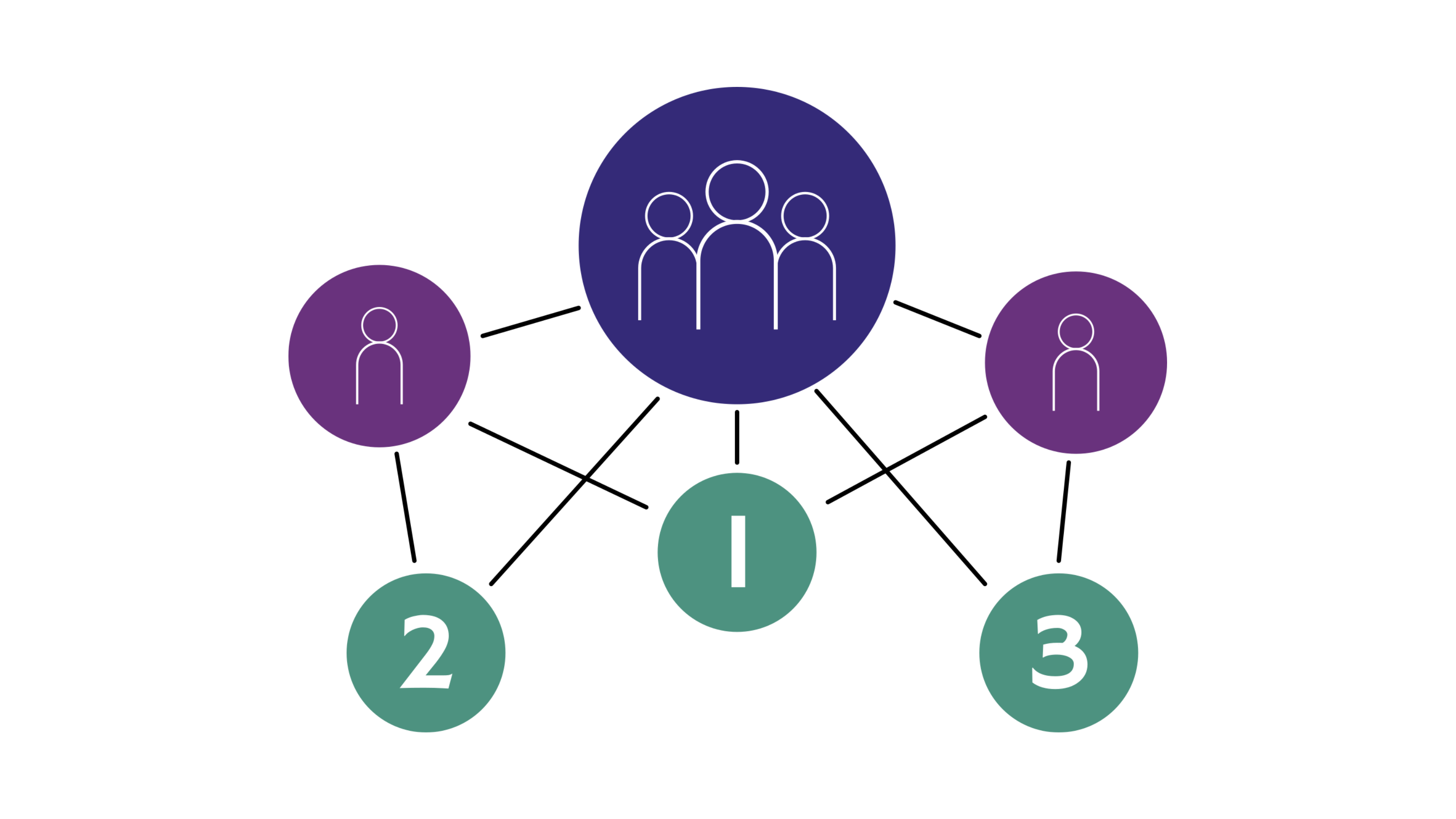
Effective goal-setting also fosters accountability. When objectives are clearly outlined, it becomes easier for both managers and employees to track progress and address any obstacles. This transparency can lead to improved communication and collaboration within teams.
When team members work together effectively, they can achieve far more than they could individually.
As a manager, you have the opportunity to build a high-performing team by investing time and effort into promoting the behaviours that drive high performance. By focusing on these five areas, you will create a team that excels, and an environment where individuals will thrive and love what they do.

How To Win Arguments At Work
Have you ever tried convincing someone to try your new idea, only to hit a brick wall?…

5 ChatGPT Tips For Managers (Supercharge Your Management Skills)
You’re sitting at your desk on a Monday morning. You’ve got a team meeting in 10 minutes,…

How To Be Great At Small Talk
Picture the scene. You arrive at a party or a work event, you look around the room,…
