

How To Be A Better Coach Using The GROW Model
As a manager, your most important role is to help your team reach their full potential. One of the best ways to do this is to ask questions and offer encouragement instead of just telling people what to do – in other words, to become a coach.
In this article, we’re going to teach you a simple model for holding effective coaching conversations with your employees.
The GROW model was created in the 1980s by Sir John Whitmore and has four steps. Let’s start with Step 1, Goal.
Step 1: Goal
When you start a coaching conversation with an employee, it’s important to first identify what it is that they’re hoping to achieve. However, you’re not trying to find out their goals for a long-term project, their job or their career. Instead, you’re trying to understand their immediate objectives and what they specifically want to get out of this conversation with you.
An effective way to start the conversation is to ask, “What do you hope to have when we finish this conversation, that you don’t have now?”
Another way to explore this is to simply ask, “What are you hoping to achieve?”
Make sure you’re also helping them to make their goal specific, you can do this by asking “How will you know when you’ve achieved your goal?”
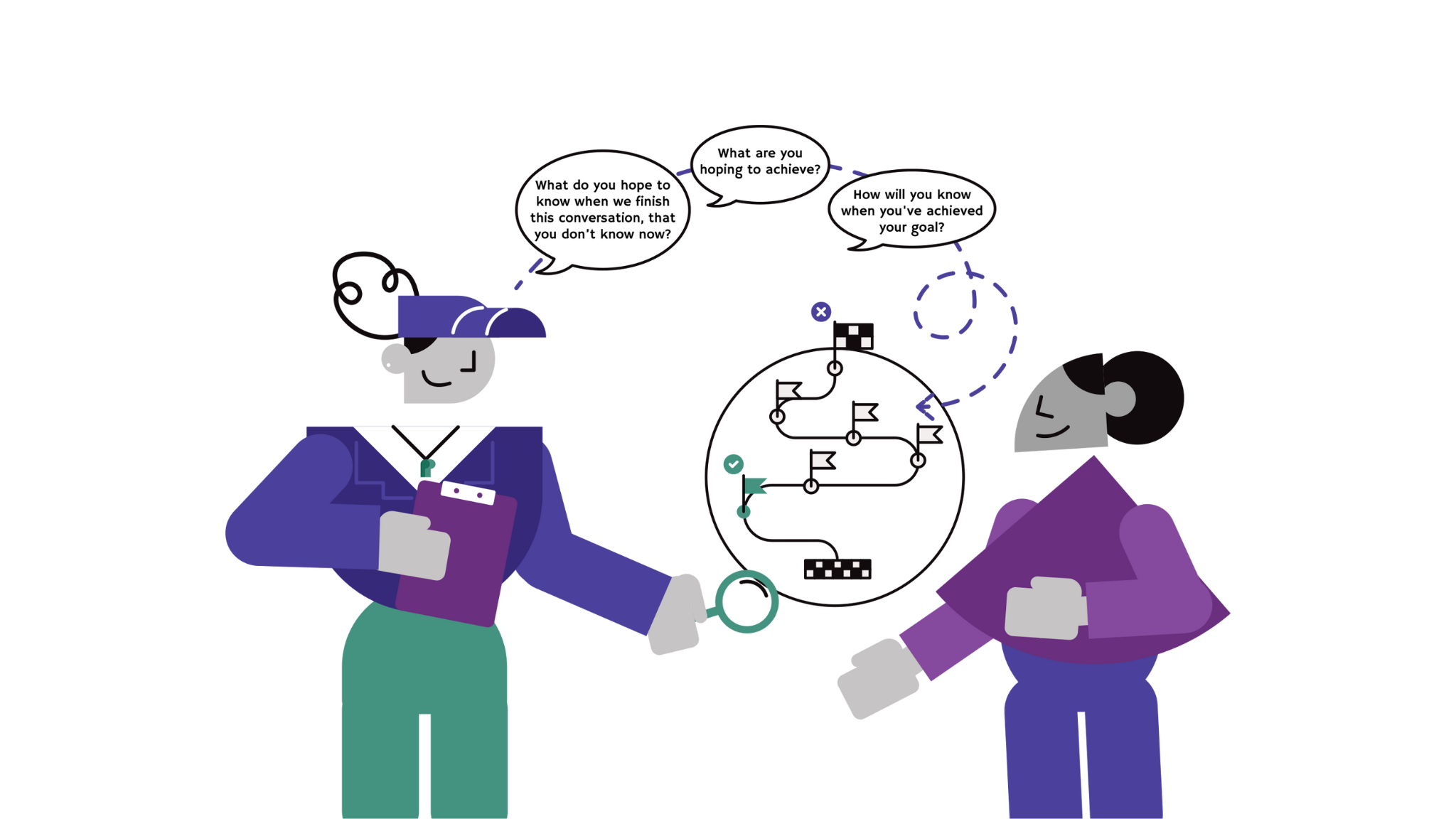
By asking these questions, you are helping your employee pinpoint their immediate goal and assisting them in defining what success looks like for them in the short term.
Step 2: Reality
With the goal established, you now need to help your employee to understand the current situation and the barriers that exist between where they are now and achieving their goal.
To do this, useful questions to consider might be “What is the real issue you’re facing?”, “What have you tried so far?”, and “What’s working well for you and what’s not?”.
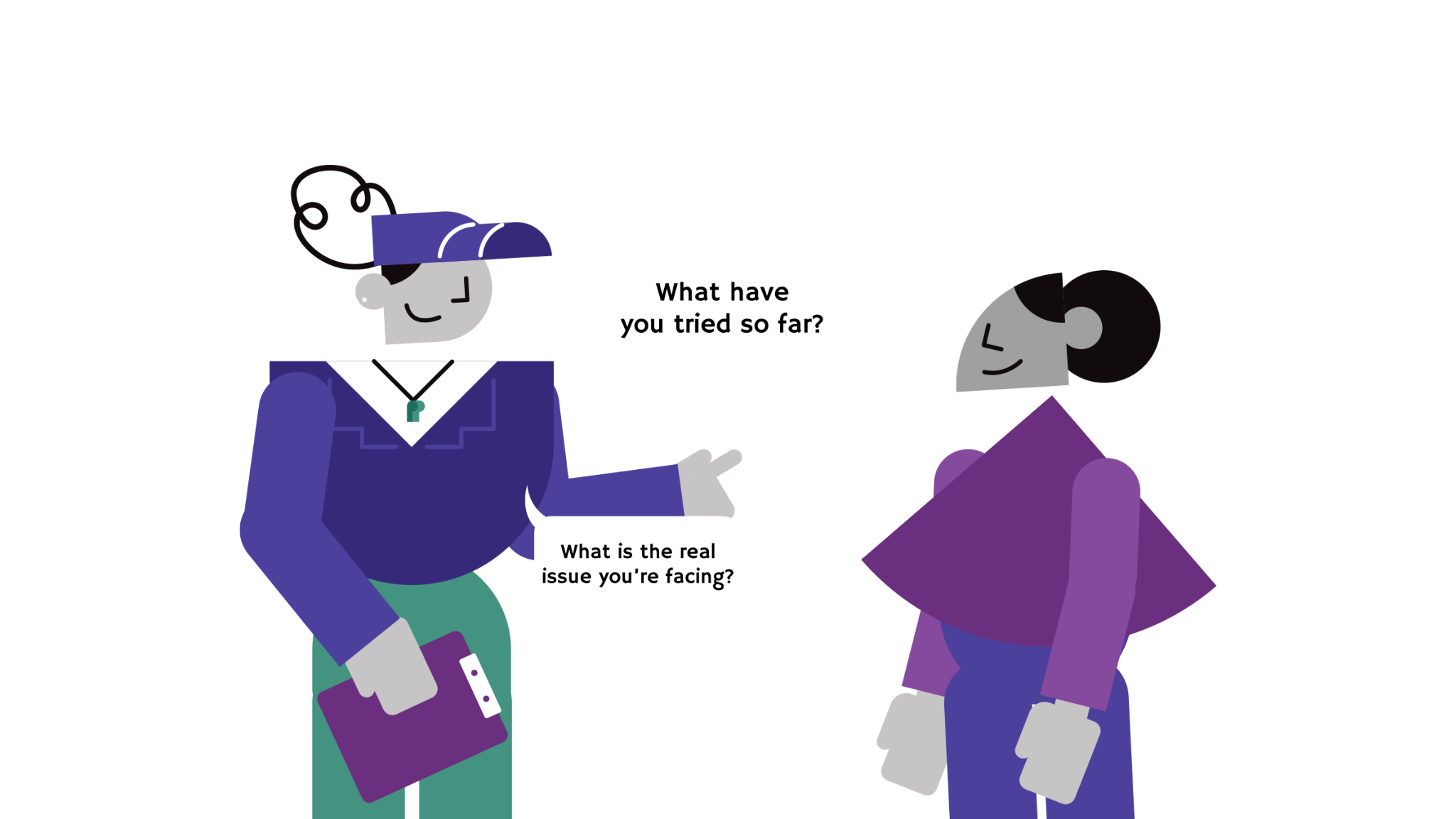
These questions enable your employee to focus on concrete details rather than abstract ideas, which should prevent them from ignoring important factors and jumping to conclusions.
Your role here is merely to ask the right questions and then to step back and actively listen.
Step 3: Options
When employees come to you with a problem, they often feel like they’re stuck in a rut. They might say, “There’s nothing I can do,” or “I only have one option,” or “I can’t decide between A and B.”
Your role is to encourage them to think more broadly. Sometimes, merely asking “If you had a magic wand, what would you do?” can open up the conversation. They suddenly begin to think creatively and productively. Once they’ve started seeing more options, your task is to help them delve deeper into each one. This can involve looking at the pros and cons, as well as the risks involved.
Ask questions like, “What has worked before?”, “What option appeals to you the most right now?”, “Who else could help with this problem?”
Continue to ask more questions to further explore their options, and try to narrow things down to the solution that they believe is the best way forward.

Step 4: Will
Now that you’ve identified the best option, it’s time to work with your employee to agree specific actions, set a timeframe and establish accountability.
The first part of this stage is to ask, “What will you do now?”. This encourages the person you’re coaching to review the specific action plan that has emerged from your conversation. If the conversation has gone well, they’ll have a clear sense of what that plan is. If they don’t, you’ll need to cycle back through the earlier steps of the GROW process and help them define how they can attack the problem.
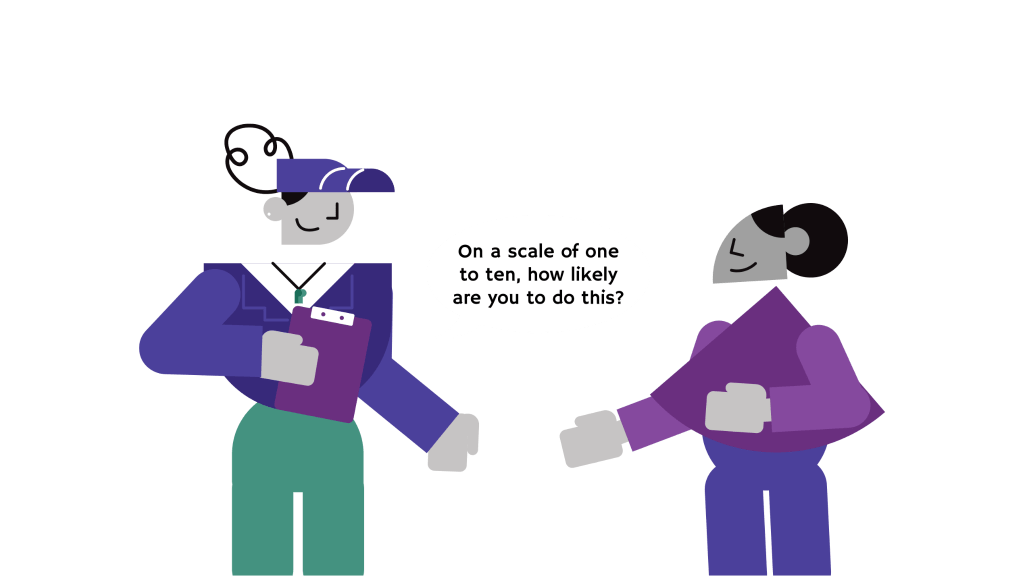
The next part of the Will stage is about finding out if your employee is ready to act. You could ask, “On a scale of one to 10, how likely are you to do this?”. If they say eight or more, they’re probably motivated enough to take action. If they say seven or less, they might not. In this case, you’ll need to go back to the earlier stages of the process and work towards a solution they’re more likely to act on.
It’s important that you end the conversation with a clear plan with your employee. You should know what they’re going to do, when they’re going to do it, and what support they might need from you, or others, to make it happen.
As a manager, it’s tempting to fall into the trap of jumping in and just telling employees what you think they should do. But, if you learn to be a good coach and ask the right questions instead of offering solutions, you can help your team members grow to their full potential.

How To Win Arguments At Work
Have you ever tried convincing someone to try your new idea, only to hit a brick wall?…

5 ChatGPT Tips For Managers (Supercharge Your Management Skills)
You’re sitting at your desk on a Monday morning. You’ve got a team meeting in 10 minutes,…

How To Be Great At Small Talk
Picture the scene. You arrive at a party or a work event, you look around the room,…
