

How To Manage Crucial Conversations
Are you struggling to manage crucial conversations at work?
According to the authors of the book “Crucial Conversations”, a crucial conversation is a discussion which is typically characterised by three major factors. 1) The stakes are high, 2) opinions vary, and 3) both parties have strong emotions.

This could include things like giving your manager critical feedback, challenging a colleague’s inappropriate behaviour, or confronting a team member who isn’t keeping to their commitments.
We encounter these types of conversations all the time at work, and as a manager, you’re bound to face difficult discussions, often unplanned, that will significantly impact your effectiveness as a leader.
When faced with a crucial conversation, we often react negatively because of our natural instincts. The body goes straight into “fight or flight” mode and sends blood away from your brain to your muscles, which means your thinking suffers, and you’re unlikely to operate at your best.
In this post we’ll share five steps you can follow to ensure you’re able to handle crucial conversations well, every single time.
Step 1: Don’t lose sight of your goal
The first step in successfully navigating crucial conversations is making sure you stay focused on the outcome you really want to achieve.

Ask yourself: “what do I really want from this conversation?” to ensure you’re identifying the right problem to solve, and then make sure you stay focused on that main goal, even when people try to take the conversation in a different direction.
If the other person says something you disagree with, take a moment to pause, remind yourself of the outcome you want, and force yourself to think of ways to keep the conversation on track, while maintaining a positive relationship with the other party.
Step 2: Create a safe environment
You can’t have a constructive conversation if everyone doesn’t feel safe.
To maintain a safe environment, consider what is being discussed and how people are reacting. If the conditions are safe, people will be more open, even to negative feedback.

To keep things safe, follow these tips:
- Spot the turning point: Notice when the conversation becomes crucial. Look for physical signs like tensed shoulders, emotional signs like anger or fear, and behavioural signs like raised voices or silence.
- Watch for safety problems: If people start pushing, insulting, or being sarcastic, they might not feel safe. Instead of fighting back, be curious about why they feel that way.
- Notice silence or verbal violence: Pay attention if others become quiet or aggressive.
- Beware your own stress reactions: Notice if you withdraw, joke, or use sarcasm when stressed. Knowing your reactions and improving them is key to better conversations.
Step 3: Control your emotions
Our emotions drive our actions, but they’re influenced by the stories we tell ourselves.
For example, if you believe a team member is intentionally making your job harder, you’ll approach the conversation with frustration. Instead, question your story. Ask yourself, “why am I reacting in this way?” and “could there be another explanation for their behaviour?”.
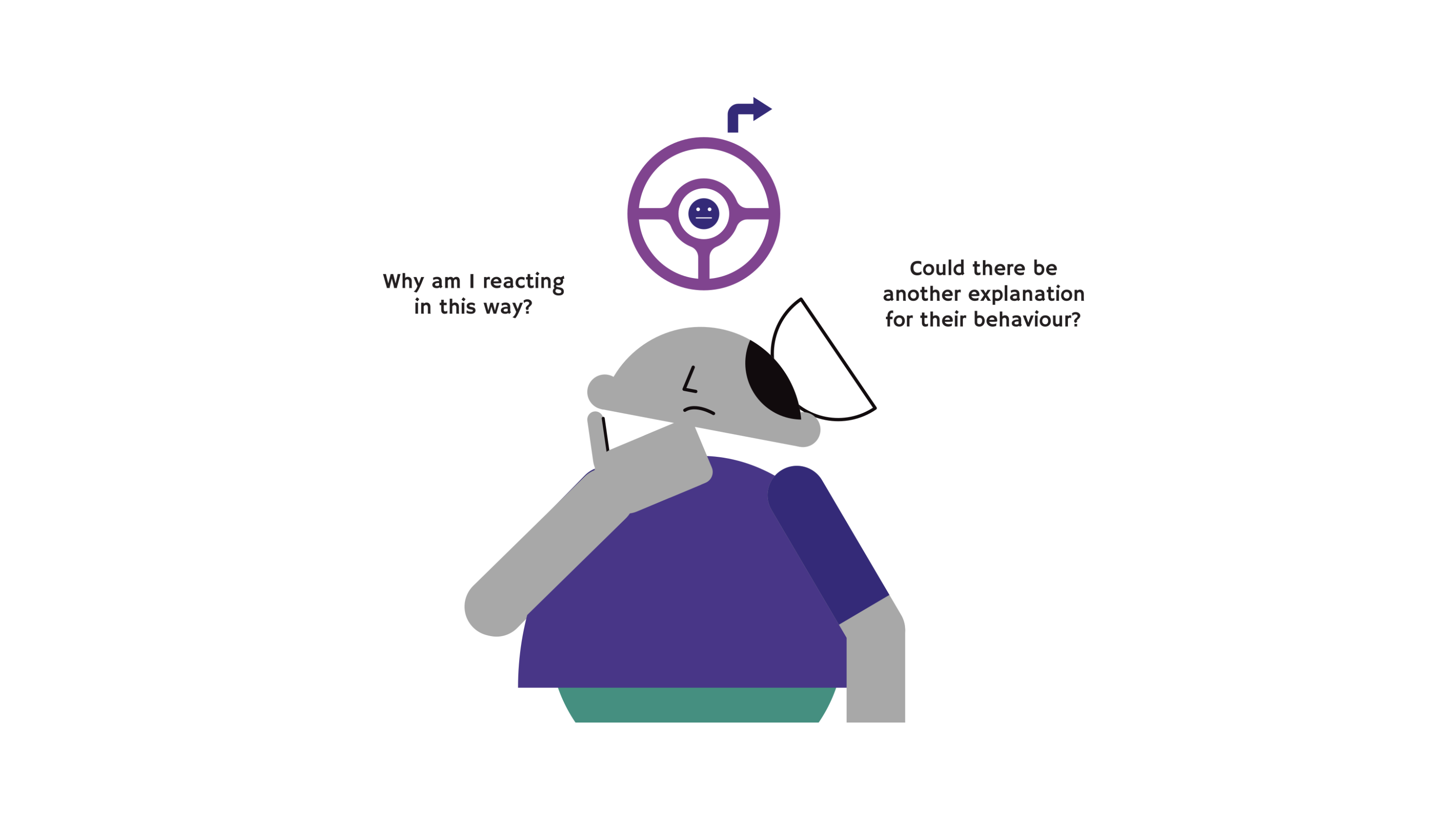
By examining your own feelings and understanding what’s causing your reaction, you can better understand your emotions and control them during the conversation as needed.
Step 4: Be candid but maintain respect
In order to be able to talk about even the most sensitive of topics, there are five tips you should follow that can be remembered with the acronym STATE.

- Share your facts: Start with objective information and don’t be tempted to add controversial conclusions yet. For example, “You’ve arrived at work at 9.10 every day this week” is better than “You were late to work every day this week.”
- Tell your story: It’s important to explain your version of events as one possible version, not as a fact, to avoid the other party getting too defensive. For example: “I notice you’ve arrived at work at 9.10 every day this week, while everyone else gets in before 9.”
- Ask for their input: Invite others to share their side of the story. You might ask, “Can you help me to understand why you’re often arriving to work later than you should be?”
- Talk tentatively: Present your story as opinions, not facts. For example, “I wonder if there’s a problem I’m not aware of that’s causing you to be late?”
- Encourage testing: Continue to seek input and create an environment where you’re encouraging opposing views, you could say “Is there something I’m missing here?” to open the door for additional dialogue.
Effective managers listen as much as they speak. You need to listen and understand the other person’s viewpoint if you want to progress the conversation.
Step 5: Move to action
After everyone shares their input, the next step is to move the conversation into decisions and action.
Whether you’re reaching a decision by consensus or the decision is made by you or someone you trust, you need to decide who will do what and by when. You also need to agree on how often and by what method you’ll follow up on progress.

Remember, mastering crucial conversations is all about practice, and you don’t need to be perfect to make progress. If you can learn to identify when you’re entering into a crucial conversation and work on the steps we’ve outlined to navigate through the dialogue, you’ll see dramatic improvements in your conversations at work.

How To Win Arguments At Work
Have you ever tried convincing someone to try your new idea, only to hit a brick wall?…

5 ChatGPT Tips For Managers (Supercharge Your Management Skills)
You’re sitting at your desk on a Monday morning. You’ve got a team meeting in 10 minutes,…

How To Be Great At Small Talk
Picture the scene. You arrive at a party or a work event, you look around the room,…
